UK business waste & recycling obligations — what every business needs to know
The Department for Environment, Food & Rural Affairs (DEFRA) recently unveiled reforms that revolutionise the waste management landscape in England. From the 31 March, workplaces with 10 or more employees will need to arrange for the collection of the following:
- Dry recyclable materials – including plastic, metal, glass, and paper and card
- Food waste
- Residual (non-recyclable) waste
The consequences of non-compliance
These are not guidelines — they are legal requirements. Businesses that fail to comply with the Simpler Recycling reforms face a clear escalation process enforced by the Environment Agency. The Environment Agency now has the authority to impose penalties for environmental offences, including prosecution.
There is also reputational one. In an era where customers, investors and partners increasingly scrutinise sustainability credentials, being flagged for waste non-compliance can damage your brand in ways that outlast any fine.
What does your business need to do to comply?
The good news is that compliance doesn't have to be complicated. Here are the practical steps your business needs to take: The first step is to conduct a waste audit. Workplaces need to assess their current waste types, disposal methods and identify any gaps in compliance — establishing separate streams for dry recycling, food waste and general waste with clear, measurable objectives.
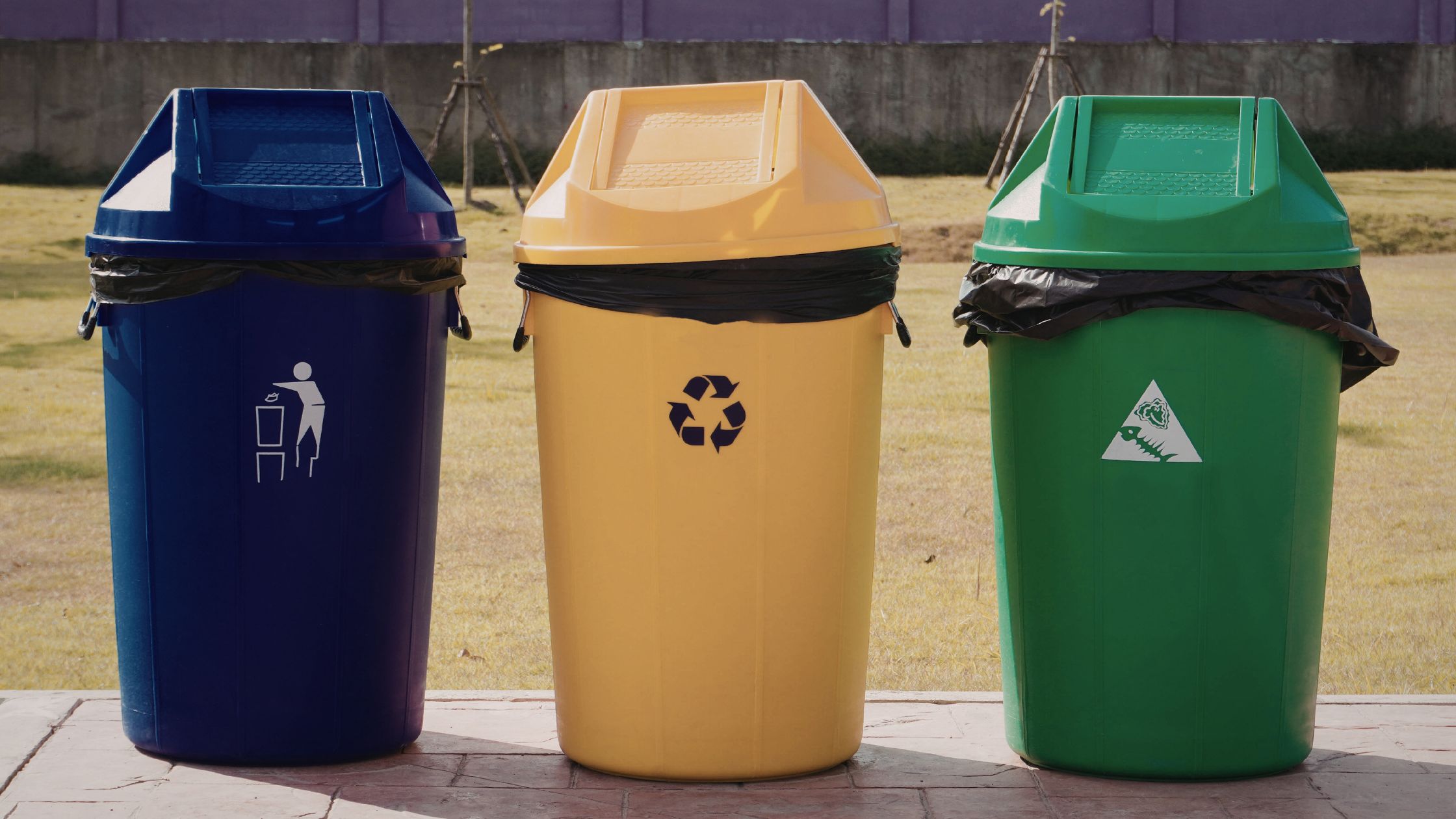
Next, set up clearly labelled waste stations. Most businesses will only need three or four bins to be fully compliant: one for dry mixed recycling covering paper, glass, metals and plastics; one for food waste; and one for general waste that cannot be recycled.
Then speak to your waste collector. Businesses should contact their waste collector to check whether current services meet the new requirements, and inform staff about any new processes, including clear signage on bins to ensure correct sorting.
Finally, plan ahead if you are a smaller business. Micro-firms with fewer than 10 full-time equivalent employees have until 31 March 2027 to comply, but early preparation is strongly encouraged to spread costs and build employee awareness gradually.
Good waste management businesses deserve to be found — and your business deserves to find them.